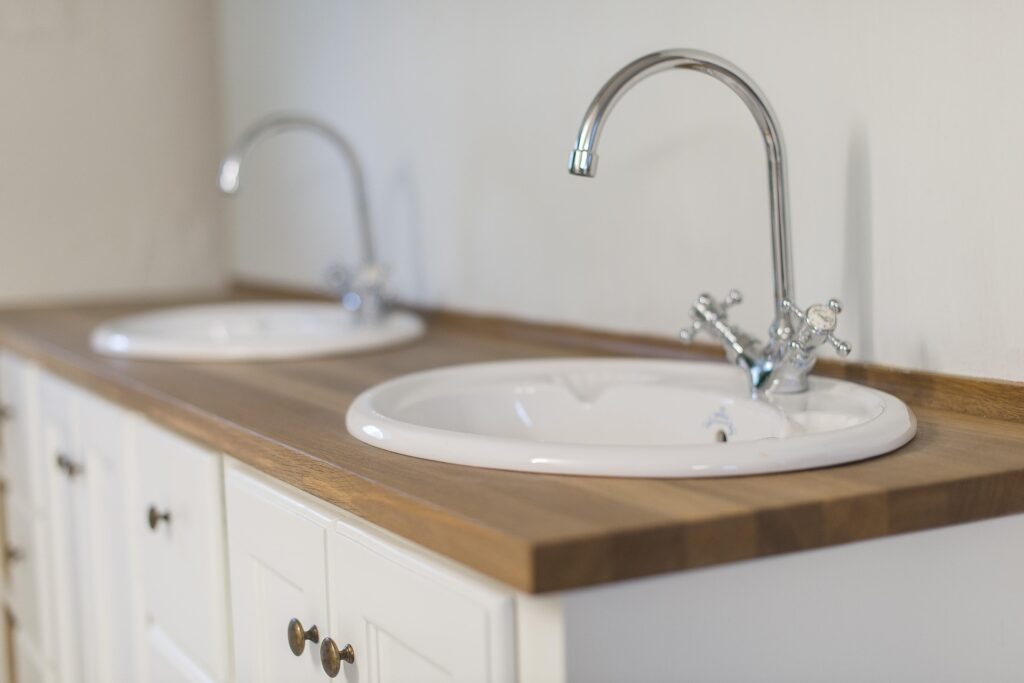
The prefabricated construction sector is undergoing a dramatic image makeover. Forget the cookie-cutter perception of modular building; today’s design-forward pods are shattering expectations, incorporating luxury finishes, customizable frameworks, and hospitality-grade materials. This evolution is fueled by technological innovation, changing market demands, and a growing recognition that efficiency doesn’t have to come at the expense of aesthetics. For real estate developers, modular factory owners, general contractors, and private equity firms, understanding this transformation is crucial for staying ahead in a rapidly evolving industry. The global modular construction market, projected to reach a staggering $214.76 billion by 2034 [4], provides the economic foundation for this design renaissance, with specialized segments like prefabricated bathroom pods expected to grow at a 9.8% CAGR through 2033 [5]. This isn’t just about building faster; it’s about building better, smarter, and more beautifully.
The Evolving Landscape of Prefabricated Pods
The prefabrication industry has undergone a dramatic shift from standardized, budget-oriented solutions to embrace design-led approaches that prioritize aesthetic innovation alongside functional efficiency. Market analysis reveals that modular construction now reduces project timelines by 30-50% compared to traditional methods [3][17], creating significant value for developers while freeing design resources for creative application rather than logistical problem-solving. This paradigm shift is particularly evident in the hospitality sector, where brands like Travelodge have transitioned from basic steel-frame bathroom pods to marine-grade composite units featuring bespoke granite-effect wall paneling and self-cleaning surfaces that simultaneously enhance guest experience and reduce maintenance costs by over 60% [14]. The financial viability of such design innovation is underscored by market data showing the prefabricated bathroom pods segment growing from $1.54 billion in 2024 to a projected $4.31 billion by 2033 [5], reflecting increased adoption across premium market segments.
Technological enablers like Building Information Modeling (BIM) and robotic manufacturing have been crucial to this design evolution, allowing manufacturers to maintain precision quality control while accommodating complex customization requests. Advanced BIM platforms enable architects to visualize and adjust modular components in virtual environments before production, ensuring design integrity while minimizing material waste [17]. This digital-physical integration allows manufacturers like Knickerbocker Group to offer Maine clients “land to linens” turnkey pod solutions featuring curated selections from local artisans alongside smart home integrations [9], demonstrating how regional design sensibilities can be preserved within modular frameworks. The convergence of these capabilities has effectively dismantled the historical perception that prefabrication necessitates design compromise, positioning pods as vehicles for architectural innovation rather than constraints.
High-End Finishes in Prefabricated Pods
Gone are the days of limited material choices. Contemporary prefabricated modern pods incorporate finishes that rival or exceed traditional construction in both aesthetic appeal and performance characteristics. Luxury surface materials now include molded composite panels with integrated antimicrobial properties and self-cleaning capabilities, as implemented in Walker Modular’s hotel pods that eliminated mold issues while providing 60-year durability guarantees [14]. Full-format porcelain tiles in large dimensions (up to 120x120cm) are installed with precision in factory-controlled environments, creating seamless visual surfaces impossible to achieve with on-site tiling [15]. Reclaimed timber accents from sustainable sources, often treated with nano-coatings for enhanced durability in humid bathroom environments [10], and integrated LED lighting systems with tunable color temperatures embedded within ceiling panels and vanity mirrors [18] are also common.
These material innovations address the critical challenge of maintaining prefab design integrity under manufacturing constraints. For example, Offsite Solutions’ Ibis Hotel project in Bridgwater featured dark grey porcelain floor tiles coordinated with off-white metro wall tiles using anthracite grout, achieving a boutique-hotel aesthetic through precise factory installation that ensured consistent grout lines and perfect tile alignment across all 136 pods [15]. The manufacturing environment enables techniques like vacuum infusion for composite materials, creating seamless, non-porous surfaces that resist staining and bacterial growth—a significant advantage over site-built alternatives, where moisture exposure during construction can compromise material performance.
The economic implications of high-end finishes are counterintuitively favorable within prefabrication models. While premium materials increase unit costs, the factory environment reduces installation waste by up to 90% compared to on-site construction [8], offsetting material premiums. Furthermore, the durability of factory-finished surfaces like molded composites demonstrates 3-5 times longer service life than conventional materials in high-traffic applications [14], providing lifecycle cost advantages that align with the long-term investment perspectives of real estate developers and private equity firms.
Customization Within Repeatable Frameworks
The most significant design advancement in modern prefabrication is the reconciliation of mass production efficiency with bespoke customization through configurable platforms. Leading manufacturers now employ a “kit-of-parts” approach where standardized structural chassis support extensive aesthetic and functional variations. Knickerbocker Group’s Maine-based pod system exemplifies this, offering clients three implementation models: turnkey solutions with full interior design services; GC-collaboration options with detailed specification checklists; and shell models for custom interior completion [9]. This tiered approach allows developers to select the appropriate level of customization while maintaining manufacturing efficiency—a critical consideration given that factory production lines can accommodate up to 40% variation in unit specifications without significant throughput impacts [18].
Digital design tools have been instrumental in enabling this flexible customization. Parametric modeling software allows real-time configuration of pod elements—adjusting dimensions, material selections, and fixture placements while automatically updating structural calculations and manufacturing instructions. Developers can visualize options through VR interfaces before committing to production, as demonstrated by Kodifly’s integration of BIM with virtual reality platforms that enable clients to “walk through” modular spaces during the design phase [18]. This technology reduces the traditional disconnect between design intent and manufactured outcome, particularly for complex integrations like the 800-square-foot pods with convertible indoor-outdoor spaces that Knickerbocker offers for Maine’s seasonal climate [9].
The hospitality sector provides compelling evidence of customization and scalability. Walker Modular’s collaboration with Travelodge involved developing entirely new molding systems for their marine-grade composite pods yet maintained economic viability through the hotel chain’s commitment to 4,000 annual units [14]. Similarly, Offsite Solutions manufactured 136 pods for the Ibis Plaza Hotel with only left/right hand configuration variations, achieving design distinction through material combinations rather than structural changes [15]. These examples demonstrate how strategic standardization of core elements enables economically feasible customization through surface treatments, fixtures, and digital integrations rather than fundamental redesign.
Designer-Approved Materials for Modern Pods
Material innovation represents the frontier of prefab pod design, with architects specifying advanced composites and sustainable alternatives that challenge conventional construction material limitations. The emerging palette includes glass-fiber reinforced polymer (GRP) composites, used in Walker Modular’s hotel pods for their seamless moldability, corrosion resistance, and structural integrity without metal framing [14]. Cross-laminated timber (CLT) is increasingly specified for wall and floor systems in residential pods for its carbon sequestration properties and warm aesthetic [10]. Recycled steel alloys, with higher tensile strength allowing slimmer profiles that increase interior square footage [6], are also being utilized.
For surface materials, photocatalytic tiles employing titanium dioxide coatings that break down organic pollutants under light exposure, maintaining appearance in high-use environments [14], are gaining popularity. Bio-resin panels, derived from agricultural waste streams, are used for vanity units and wall cladding [10]. Sintered stone, ultra-compact surfaces with through-body coloration that resist scratching and UV fading for outdoor-integrated pods [18], offers another durable option.
These materials are selected not only for aesthetics but for performance in factory-to-site logistics. The factory environment also enables advanced material processing techniques like vacuum infusion, which creates monolithic composite structures without adhesives that could degrade in humid bathroom environments [15]. Sustainability considerations now fundamentally drive material selection, with lifecycle analysis tools quantifying environmental impacts during design development.
Meeting Hospitality-Grade Expectations
The hospitality sector’s adoption of prefabricated pods has established rigorous performance benchmarks that now influence residential and commercial applications. Hotels demand commercial-grade durability with a minimum 100,000-cycle testing for hardware and 15-year surface warranties [14][15]. They also require intensive cleaning, compatibility with resistance to industrial cleaning agents and steam cleaning at 150°C [14], acoustic performance with STC 50+ ratings for bedroom-bathroom partitions [15], and maintenance accessibility with removable access panels for plumbing without surface damage [15].
These requirements have driven engineering innovations like Walker Modular’s one-piece molded composite bathroom pods that eliminated silicone jointing—traditional failure points for leaks and microbial growth [14]. The elimination of grouted joints in Ibis Hotel pods through full-tile encapsulation of steel frames similarly addressed hygiene concerns while enhancing visual continuity [15]. Such solutions demonstrate how hospitality-driven challenges have accelerated technical capabilities that benefit all premium pod applications.
The integration of wellness technology represents the new frontier in hospitality-grade pods. Luxury hotel projects now specify chromatherapy lighting, electrochromic privacy glass, infrared sauna integrations, and voice-activated environmental controls [10][18]. These features are increasingly feasible within prefabricated environments because factory installation ensures precise calibration of integrated systems before site delivery.
Exemplary Pods with Wow Factor
Several pioneering projects demonstrate the design potential of prefabricated pods when aesthetic ambition matches engineering innovation. Travelodge’s Marine-Grade Composite Pods, developed in collaboration with Walker Modular, achieved a design paradox: luxury-grade bathrooms for economy accommodations. Knickerbocker Group’s Maine Coastal Pods reimagined prefab as a vehicle for place-specific architecture, featuring convertible indoor-outdoor spaces and locally sourced materials [9]. Offsite Solutions transformed standardized hotel bathrooms into design statements for the Ibis Plaza Hotel through meticulous material coordination [15]. These projects collectively prove that prefabrication constraints can inspire rather than limit design innovation, yielding solutions that surpass conventional construction in both performance and aesthetic sophistication.
Key Takeaways:
- Material innovation enables luxury: Advanced composites and sustainable materials allow prefab pods to achieve high-end aesthetics and durability surpassing traditional construction.
- Customization through configuration: Digital design tools and flexible manufacturing systems enable bespoke outcomes within standardized engineering frameworks.
- Hospitality standards drive innovation: Rigorous performance requirements from hotel applications elevate durability, maintenance, and wellness features across all pod categories, including kitchen style and bath innovation.
Conclusion
The evolution of prefabricated pods from utilitarian solutions to design-forward architectural elements represents a fundamental shift in construction methodology. By embracing high-end materials, configurable platforms, and hospitality-derived performance standards, manufacturers have created products that satisfy both aesthetic aspirations and practical requirements.
For real estate developers, the implications include reduced project timelines, enhanced quality control, and access to specialized materials previously impractical for traditional construction. Modular factory owners must invest in digital design capabilities and flexible manufacturing systems to capitalize on the customization demand. General contractors will increasingly function as integration specialists, coordinating site work with precision pod installations. Private equity firms should recognize prefab’s transition from cost-play to value-creation strategy, particularly in premium market segments where design differentiation commands price premiums.
The trajectory points toward increased convergence between architectural ambition and manufacturing precision, with emerging technologies like generative design and robotic craftsmanship enabling unprecedented customization within efficient production frameworks. As sustainability regulations tighten and skilled labor shortages persist, design-forward prefabrication offers a compelling path toward buildings that are simultaneously beautiful, high-performing, and economically viable across their lifecycle. Now is the time to explore how design-forward pods can revolutionize your next project. Contact a leading modular manufacturer today to discover the possibilities.
Sources and References
[1] https://www.industryarc.com/Research/Modular-Construction-Market-Research-503070
[2] https://reports.valuates.com/market-reports/QYRE-Auto-18L294/prefabricated-bathroom-pods
[3] https://www.giiresearch.com/report/moi1690866-north-america-prefabricated-housing-market-share.html
[4] https://www.precedenceresearch.com/modular-construction-market
[5] https://www.businessresearchinsights.com/market-reports/prefabricated-bathroom-pods-market-100019
[6] https://www.datainsightsmarket.com/reports/prefabricated-houses-1562786
[7] https://www.researchandmarkets.com/reports/5790844/modular-construction-market-report
[8] https://www.verifiedmarketresearch.com/product/prefabricated-bathroom-pods-market/
[9] https://knickerbockergroup.com/solutions/prefab-pods/
[10] https://www.familybuilthomes.com/blog/top-trends-in-off-site-modular-homes-for-2025
[11]https://www.mckinsey.com/~/media/mckinsey/business%20functions/operations/our%20insights/modular%20construction%20from%20projects%20to%20products%20new/modular-construction-from-projects-to-products-full-report-new.pdf
[12] https://www.jll.com/en-uk/insights/why-prefab-methods-stack-up-for-hotels
[13] https://www.archivemarketresearch.com/reports/prefabricated-kitchen-pod-491877
[14] https://www.walkermodular.com/case-studies/travelodge
[15] https://www.offsitesolutions.com/about-us/case-studies/ibis-hotel-bridgwater
[16] https://www.acumatica.com/blog/modular-construction/
[17] https://vertexcad.com/bd/prefabricated-and-modular-construction/
[18] https://kodifly.com/inside-the-rise-of-modular-construction-trends-benefits-challenges
[19] https://www.iccsafe.org/building-safety-journal/bsj-technical/the-top-challenges-to-widespread-modular-construction-adoption/