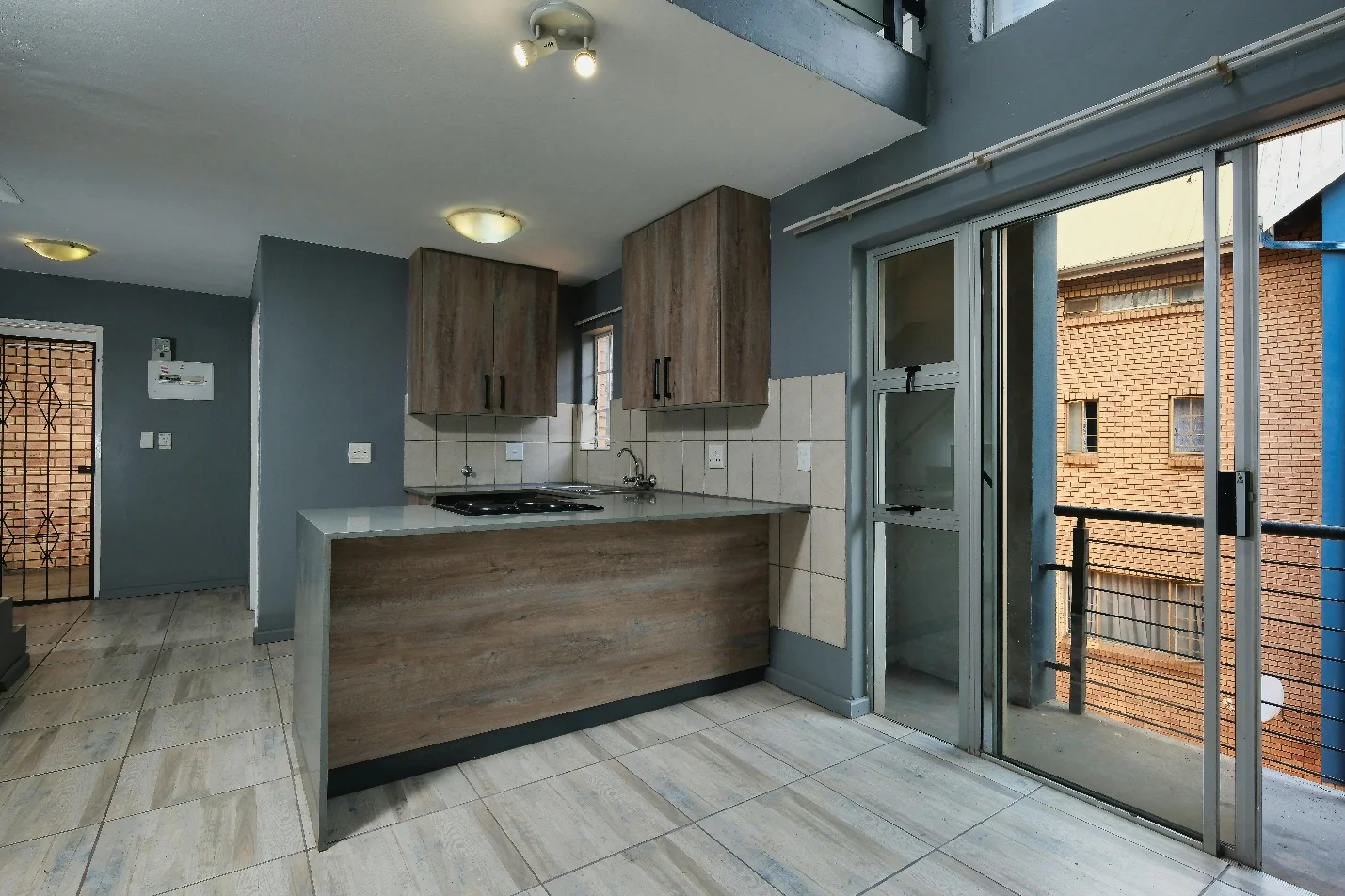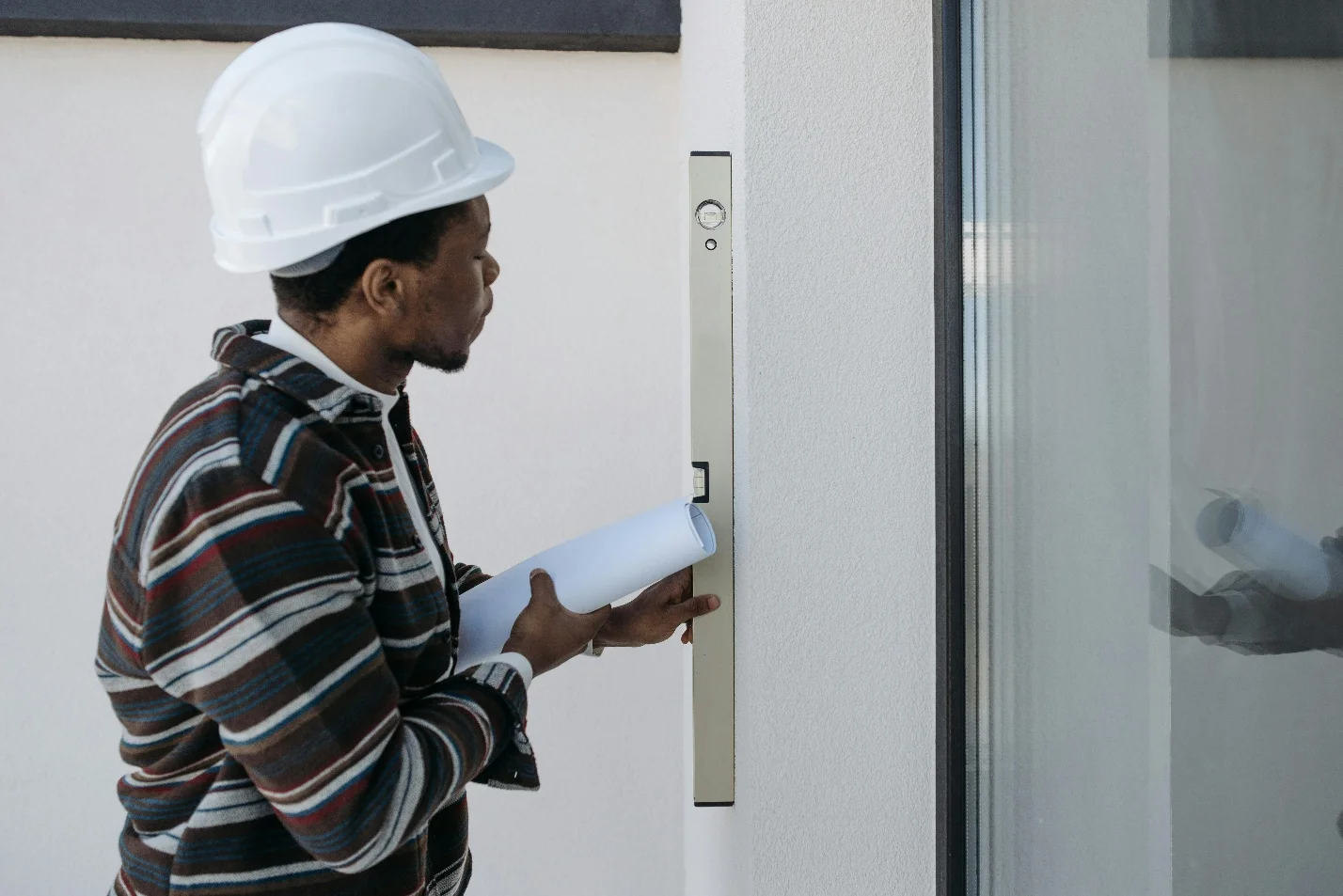
The American housing crisis is a multifaceted challenge demanding innovative solutions. With over 770,000 people experiencing homelessness in 2024, the highest number ever recorded, and a staggering shortage of 7.1 million affordable rental homes for extremely low-income renters, the need for transformative approaches is undeniable. Modular pods are emerging as a compelling solution, promising to accelerate unit delivery at a lower cost. But can these prefabricated structures truly address the scale of the problem while meeting the diverse needs of communities?
Modular pods offer the potential to revolutionize real estate development by accelerating unit delivery and lowering costs. Studies suggest that modular construction can speed up project timelines by 30-50% while cutting costs by up to 20% compared to traditional methods. This is achieved through factory-controlled precision, which reduces waste and allows for simultaneous site preparation and module construction. This speed is particularly beneficial for Build-to-Rent (BTR) and Multifamily Housing (MFH) projects, allowing for faster occupancy and quicker returns on investment. The global modular pod market, valued at $8.2 billion in 2023, is projected to reach $14 billion by 2030, signaling a significant opportunity for developers, factory owners, contractors, and private equity firms.
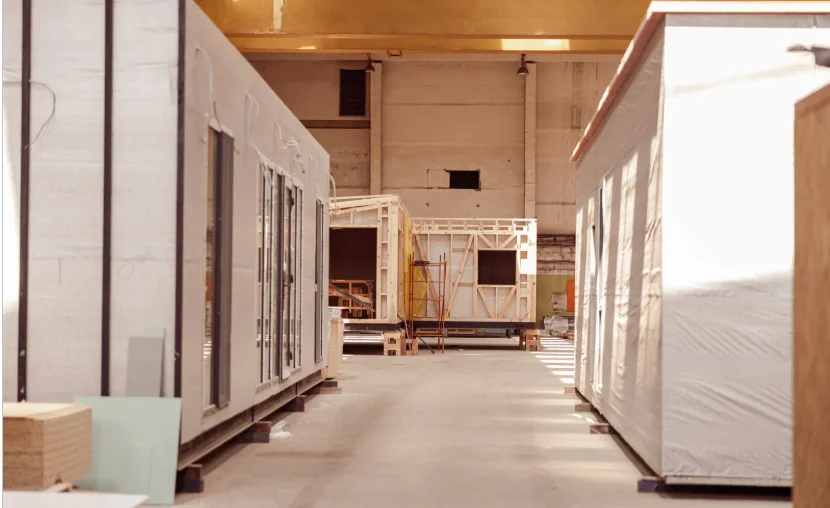
One of the key advantages of modular pods is their ability to reduce construction waste and inefficiencies. Factory-based production allows for precise material calculations and minimizes off-cuts, reducing waste by up to 90% compared to traditional on-site methods. This not only lowers material costs but also reduces disposal expenses and environmental impact. Furthermore, modular construction enables scalable production lines, similar to automotive manufacturing, allowing for consistent quality and efficient output. Automated steel-framing machines have demonstrated 46% improvements in construction efficiency compared to traditional wood-framing methods, further streamlining the production process.
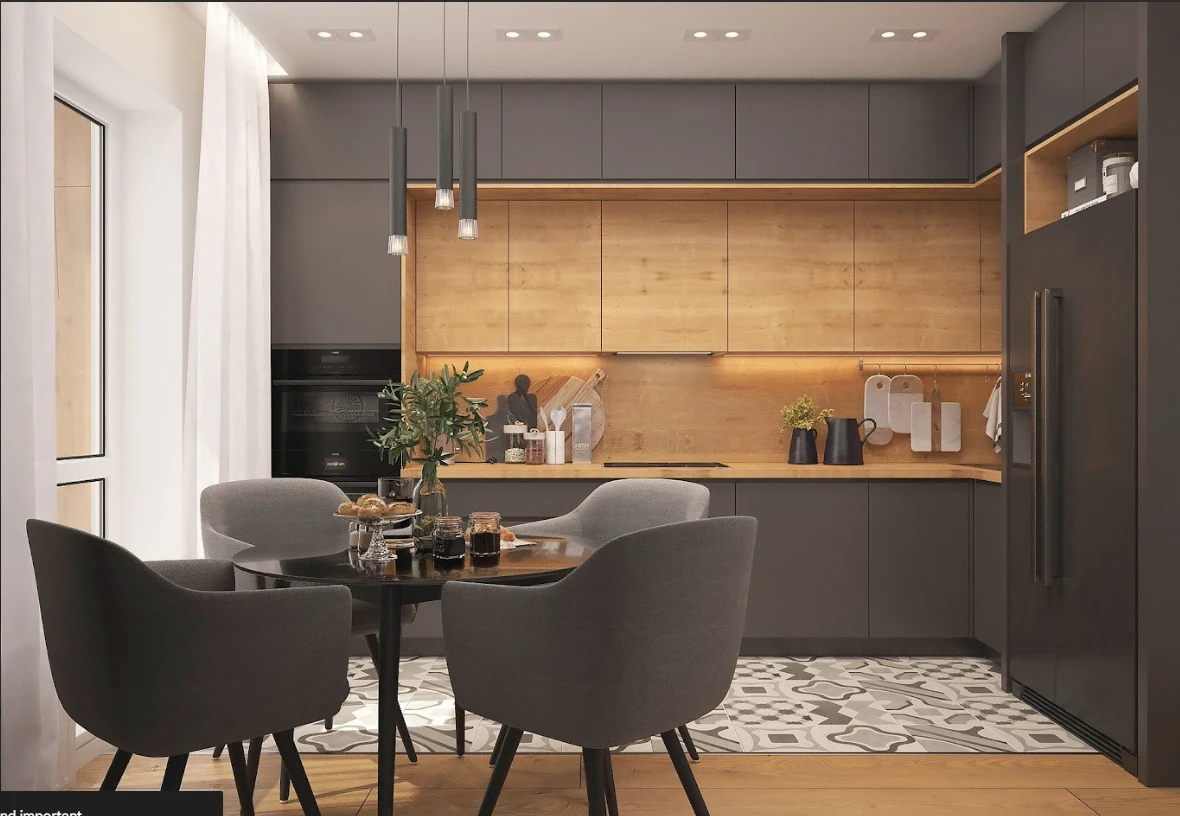
However, the success of modular pods hinges on balancing design standardization with community appeal. While standardization is crucial for cost-effectiveness and speed, it’s essential to avoid monotonous developments that lack visual interest. Innovative design approaches can utilize standardized components while varying exterior finishes, colors, and materials to create diverse architectural expressions. Market research and community engagement are crucial to understanding local preferences and ensuring that modular developments integrate seamlessly into existing neighborhoods.
Key Takeaways:
- Modular pods can accelerate unit delivery by 30-50% and reduce costs by up to 20%.
- Factory-based production reduces construction waste by up to 90%.
- Design standardization must be balanced with community appeal through innovative design and local engagement.
- The global modular pod market is projected to reach $14 billion by 2030, presenting a significant investment opportunity.
Modular pods offer a promising path toward addressing the housing crisis, but success requires a strategic approach that balances efficiency with community needs. By embracing innovation, engaging with local stakeholders, and optimizing design, developers can leverage the power of modular construction to create affordable, high-quality housing at scale. Are you ready to explore how modular pods can transform your next project?